Blue-Tea: The Tea That Changes Color And Your Life
Imagine a beverage so potent that ancient scholars drank it before exams. So visually stunning that social media influencers cannot stop filming it. And so scientifically validated that the U.S. Food and Drug Administration (FDA) just expanded its approval for nationwide food use in 2025 .
Welcome to the world of Blue Tea – the caffeine-free, antioxidant-rich, color-changing elixir made from the Clitoria ternatea L. plant, better known as the butterfly pea flower.
But here is what the trendy cafes and Instagram reels won’t tell you: this “new” wellness hack is actually one of the oldest secrets in Ayurvedic medicine, where it is revered as Shankhpushpi – the “Conch Flower” brain tonic used for millennia to enhance memory, reduce anxiety, and promote longevity .
🔥 Get AyuraEarth Blue Butterfly Pea Flower Tea from Amazon
In this deep-dive, we are going to bridge ancient wisdom with modern science. We will explore evidence-backed benefits of blue tea, ranging from DNA repair in brain cells to blocking carbohydrate absorption. We will also reveal exactly how to brew it, where to buy the purest organic version, and why the FDA just gave this flower its biggest stamp of approval yet.
📦 Click here to see the Best-Selling Blue Tea on the Market.
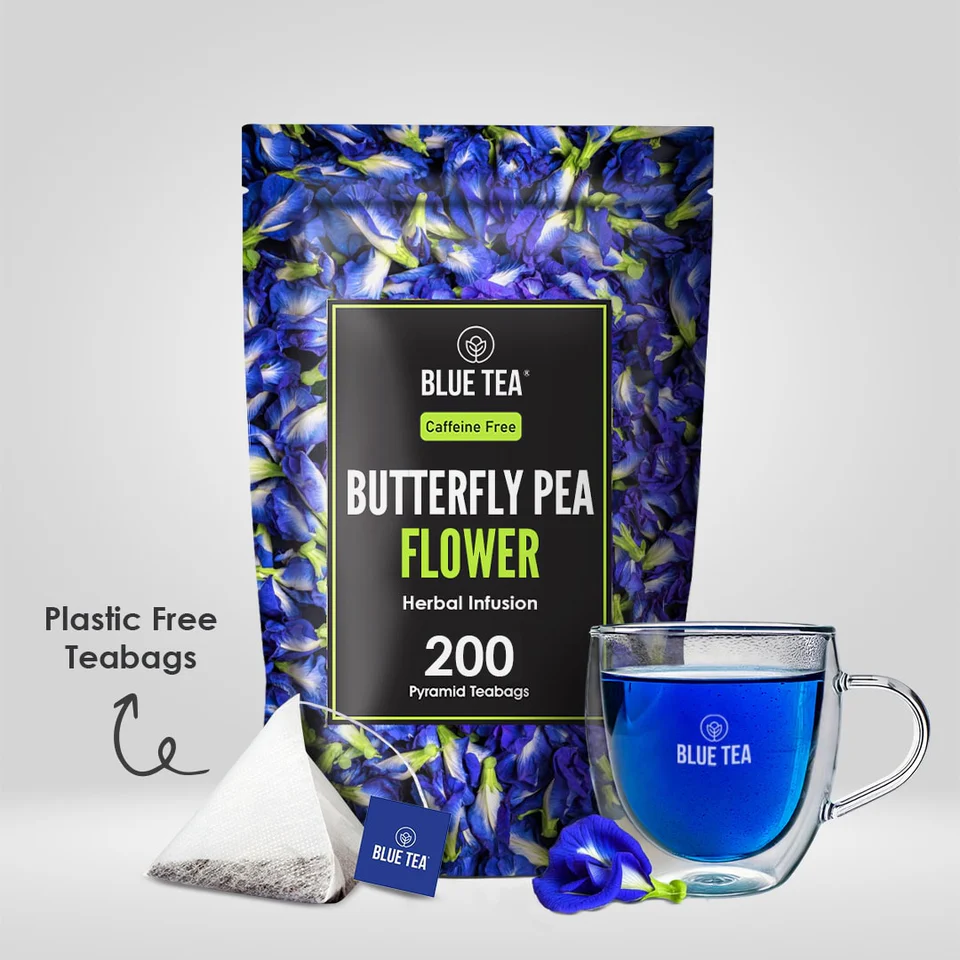
Caffeine-free, antioxidant-rich herbal tea designed for detox, weight loss, and metabolism support.
The Ancient Wisdom – What the Sages Knew 5,000 Years Ago
The Sacred “Shankhpushpi”
Long before the invention of the microscope or the discovery of neurons, the sages of ancient India had identified a class of herbs known as Medhya Rasayana—literally “brain elixirs”. These were not just teas; they were therapies designed to rejuvenate the mind, sharpen the intellect, and ward off the ravages of age.
Among the most prized of these was Clitoria ternatea, known in Sanskrit as Shankhpushpi (meaning “conch flower” due to the shape of its petals). In classical Ayurvedic texts like the Charaka Samhita and Sushruta Samhita, Shankhpushpi was prescribed for:
- Medha (Intellect): Students and scholars consumed it to improve comprehension and memory retention.
- Ayush (Longevity): It was believed to slow the aging process, protecting both the hair from graying and the skin from wrinkling.
- Manasa Dosha (Mental Disorders): Healers used it to treat anxiety, stress, and insomnia.
- Vishahara (Detoxification): It was used as a mild detoxifier to clear “toxins” (Ama) from the body.
The traditional preparation was simple yet sacred: the flowers, leaves, or roots were steeped in water, often combined with honey or ghee, and consumed first thing in the morning.
⚠️ WARNING: Most “teas” in the grocery store are stale and useless. Get the Fresh, Organic Harvest HERE before it sells out.
Flower Based – Herbal Tea
The Government Recognition
The Indian government takes this ancient wisdom seriously. The Ministry of AYUSH (Ayurveda, Yoga & Naturopathy, Unani, Siddha, and Homoeopathy) has officially published pharmacopoeias containing monographs for Ayurvedic drugs. These include detailed quality standards for Clitoria ternatea and its formulations .
In fact, the Ayurvedic Pharmacopoeia of India currently contains monographs for 645 single drugs and 202 compound formulations . This is not folklore; it is codified, regulated traditional medicine.
👉 DON’T MISS OUT: Get the “Ayurvedic Brain Tonic” – ABOTANIX Butterfly Pea Herbal Tea 75g (40 Cups), Premium Ashwagandha Tea with Lemongrass, Rose, Licorice

Spiritual T-Shirts for Women
The Modern Science – What Studies Reveal
Now, let us fast-forward 5,000 years. In the last decade, Western science has begun to rigorously test the claims of Ayurveda. The results are nothing short of astonishing. The table below summarizes the key scientific findings on Clitoria ternatea (Blue Tea):
| Benefit Category | Key Finding |
|---|---|
| Brain Repair & Neuroprotection | Induces neuronal differentiation & DNA repair in brain cancer cells; exhibits potent AChE inhibition (IC50: 81.91 μg/mL) |
| Diabetes & Blood Sugar Control | Uncompetitive inhibition of α-glucosidase (IC50: 2.315 mg/mL); ~80% starch digestion blockage at 5 mg/mL |
| Alzheimer’s Disease | Targets AβPP, BACE1, and acetylcholinesterase; enzyme inhibition scores “much higher than FDA-approved drugs” |
| Regulatory Status | FDA approved for expanded use in cereals, crackers, chips, and snack mixes (Effective June 26, 2025) |
Let us break down exactly what this means for you.
🫖 READY TO TRANSFORM YOUR TEA RITUAL? Discover the magic of Blue Tea—as seen on Shark Tank. Zero caffeine, farm-fresh, and ethically sourced. Shop the Blue Tea Collection →
The 7 Science – Backed Benefits of Blue Tea
Blue-Tea Repairs Damaged Brain Cells (Yes, Really)
Let us start with the most groundbreaking discovery. In January 2025, a study published that Clitoria ternatea promotes cellular differentiation and DNA repair in brain cancer cells. Here is what that means:
- Neuronal Differentiation: The extract actually converted neuroblastoma cells (immature, cancerous brain cells) into more mature, functional neurons. This is huge. It suggests that compounds in blue tea can encourage the brain to heal and regenerate.
- DNA Repair: The study measured the plant’s ability to fix damaged DNA inside brain cells. Using assays like γH2AX immunostaining (a gold-standard test for DNA damage), they found that Shankhpushpi significantly reduced DNA fragmentation.
- Mitochondrial Protection: The tea boosted mitochondrial membrane potential. Think of mitochondria as your brain cell’s batteries. Blue tea helps keep those batteries charged.
- Reduced Oxidative Stress: The researchers observed a marked reduction in Reactive Oxygen Species (ROS) , which are the “rust” that causes brain aging and neurodegeneration.
The Ancient Connection: Ayurveda called this Rasayana – rejuvenation. Science now has a name for it: DNA repair and neurogenesis.
🛑 STOP SCROLLING. Claim your Free Shipping on Blue Tea – For Skin Glow & Sleep-Repair Limited time only.
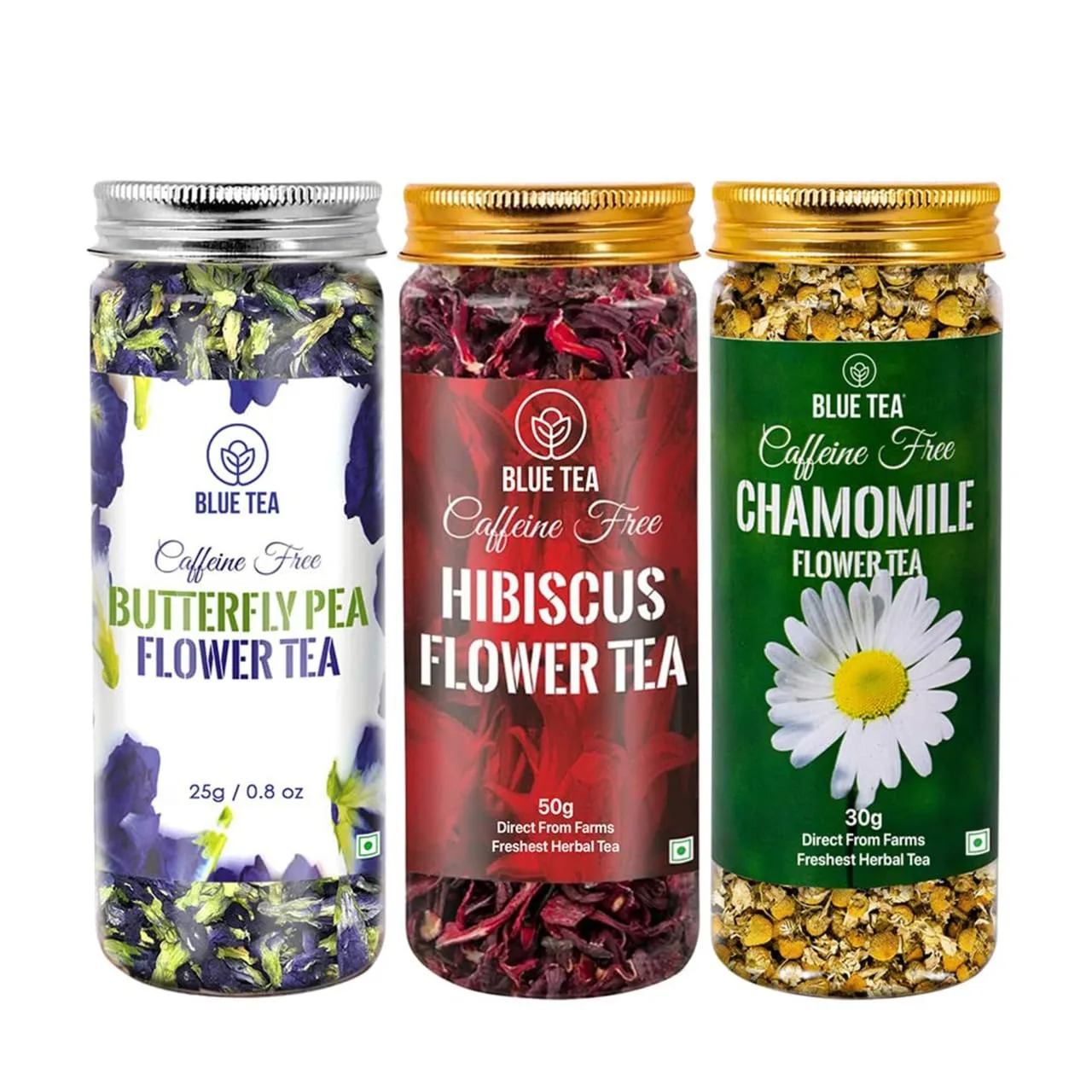
Butterfly Pea, Hibiscus & Chamomile
Blue-Tea Blocks Sugar Absorption (Natural Ozempic Alternative?)
If you are struggling with blood sugar spikes, carb cravings, or weight management, listen closely. A 2019 study investigated how butterfly pea flower extract affects starch digestion. The researchers simulated the human digestive process in a test tube, mixing the blue tea extract with wheat starch and the enzyme α-glucosidase (the enzyme responsible for breaking starch into sugar).
The Results Were Stunning:
- 80% Inhibition: At a concentration of just 5 mg/mL, the blue tea extract inhibited nearly 80% of sugar release from starch.
- Uncompetitive Inhibition: The extract worked as an uncompetitive inhibitor, meaning it binds directly to the enzyme-starch complex, making it highly effective even at low doses.
- IC50 Value of 2.315 mg/mL: This is the concentration needed to block 50% of the enzyme’s activity – a very respectable figure in the world of natural anti-diabetic agents.
Why This Matters: Every time you eat bread, rice, pasta, or potatoes, your body rapidly converts those starches into glucose, causing a blood sugar spike. By drinking blue tea with your meal, you may be able to blunt that spike, reducing insulin demand and potentially aiding weight loss.
The Ancient Connection: Ayurveda used bitter and astringent herbs before meals to “kindle the digestive fire” (Agni) without overloading the system. Modern science calls this “enzyme inhibition.”
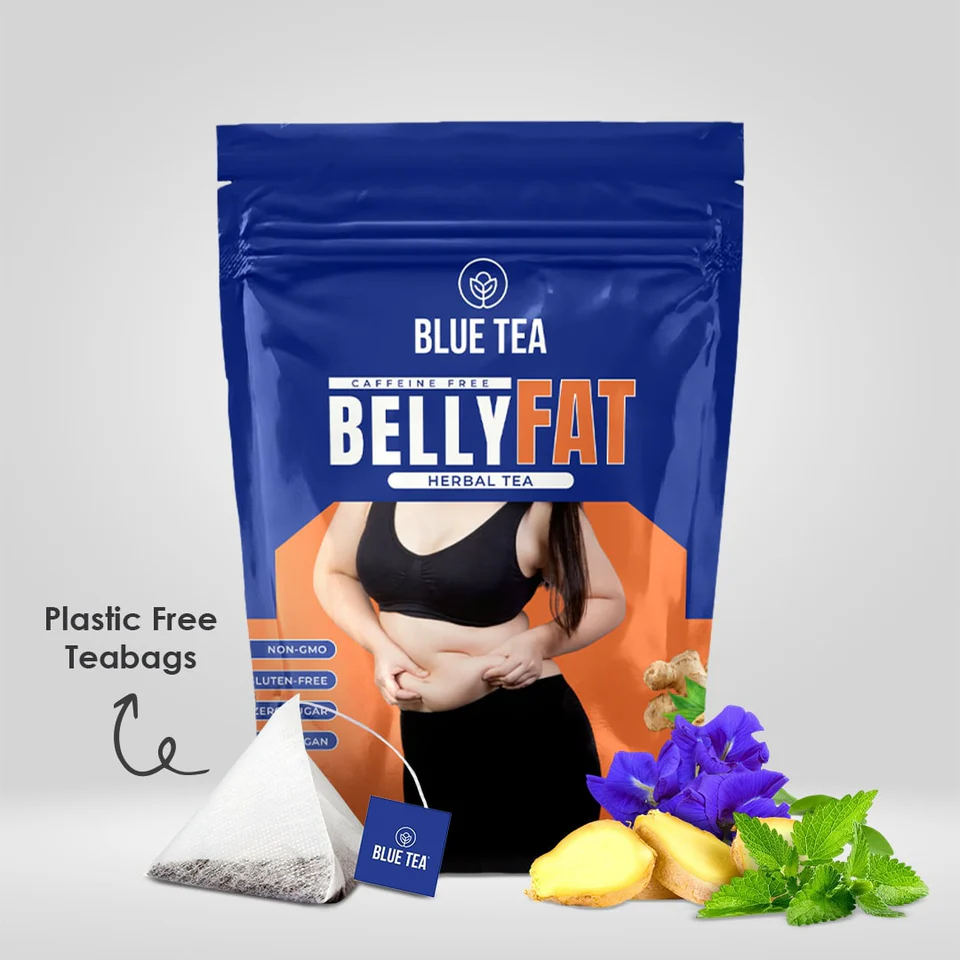
With Butterfly Pea, Lemongrass, Ginger, and Spearmint for a healthier, slimmer you!
Blue-Tea Fights Alzheimer’s Better Than Some Pharmaceuticals?
Alzheimer’s disease is a nightmare—a progressive, incurable degeneration of the brain. But what if a simple cup of tea could help prevent it? A study published in 2024 used advanced computer modeling (cheminformatics and systems pharmacology) to compare the active compounds in four nootropic herbs; including Clitoria ternatea, against FDA-approved Alzheimer’s drugs .
The Findings Were Remarkable:
- Shared Targets: The phytocompounds in blue tea shared common protein targets with both FDA-approved drugs AND drugs currently in clinical trials.
- Higher Inhibition Scores: Here is the kicker—the enzyme inhibition scores of the herbal compounds were “much higher than FDA-approved drugs.”
- Multiple Pathways: The tea targeted AβPP (amyloid precursor protein), BACE1 (the “Alzheimer’s enzyme”), and acetylcholinesterase (AChE)—all critical players in Alzheimer’s pathology.
The study concluded that herbal medicines like Clitoria ternatea “can synergistically stimulate multiple protein targets, rendering a holistic and integrative treatment”.
The Ancient Connection: Ayurveda never looked for a single “magic bullet.” Instead, Medhya Rasayana herbs work on multiple systems at once—exactly what this study validates.
💎 Upgrade to the “Brain Protect” ABOTANIX Butterfly Pea Herbal Tea
Blue-Tea Is a Potent Acetylcholinesterase (AChE) Inhibitor
Let us get a little technical, because this is important. Acetylcholine is a neurotransmitter responsible for learning and memory. In Alzheimer’s patients, acetylcholine levels are critically low because the enzyme acetylcholinesterase (AChE) breaks it down too quickly.
Most prescription Alzheimer’s drugs (like Aricept/donepezil) work by inhibiting AChE. A study published in 2025 tested Clitoria ternatea extracts for exactly this property .
The Results:
- The combination extract (flower + root) exhibited potent AChE inhibitory activity with an IC50 of 81.91 ± 0.19 μg/mL.
- It also inhibited Butyrylcholinesterase (BChE) with an IC50 of 91.48 ± 0.23 μg/mL—another enzyme involved in late-stage Alzheimer’s.
- UHPLC-Q-TOF-MS analysis identified 26 phytoconstituents, including Malvidin, Delphinidin, and Taraxerol, all of which contribute to the neuroprotective effect.
In Vivo Validation: When the researchers gave the extract to animal models at a dose of 200 mg/kg body weight, they observed significant memory enhancement. Importantly, no major histopathological changes were observed, indicating safety.
The Ancient Connection: Shankhpushpi was the go-to herb for “loss of memory” and “mental fatigue.” Modern science now has the mechanism: AChE inhibition.
👉 Click Here to Buy the “Detox Kahwa” Blue Tea Detox Kahwa combo Pack – Only 147 units left.
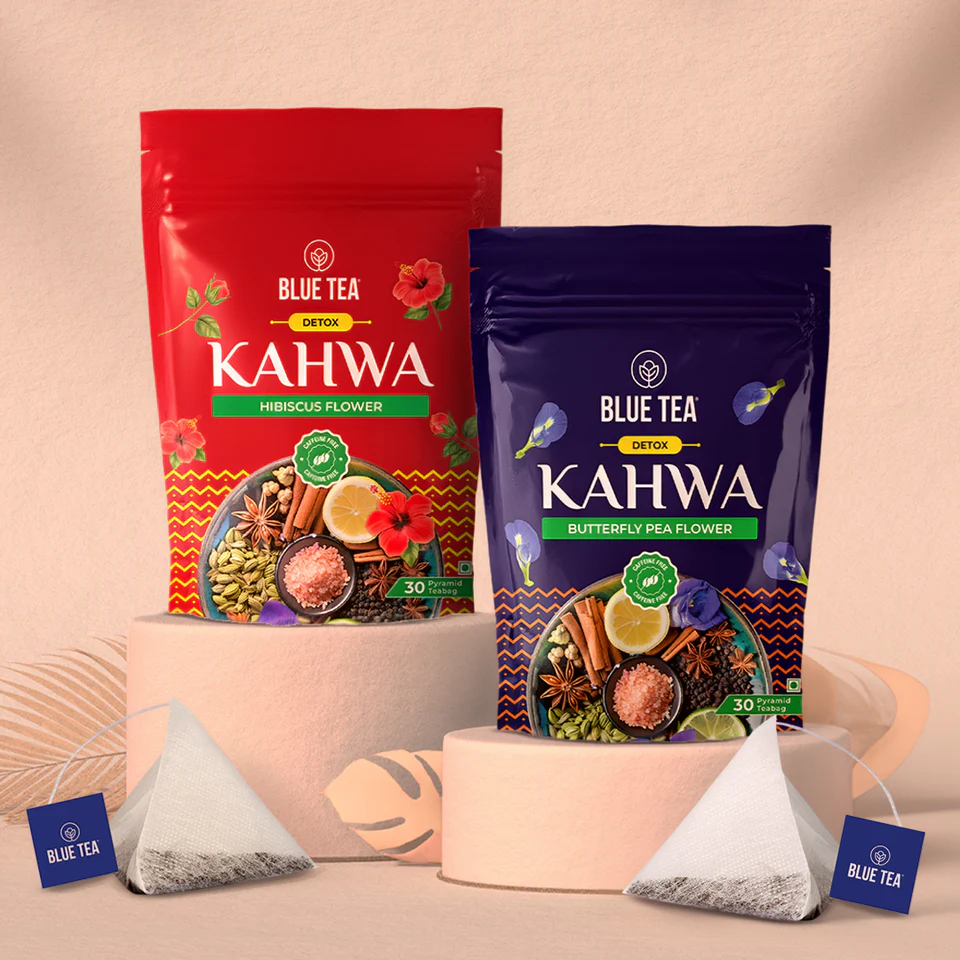
Double your body’s natural defenses with this powerful duo of herbal kahwa.
Blue-Tea Reduces Anxiety Without Sedation (Adaptogen Power)
One of the most frustrating things about modern anti-anxiety medications is the sedation. You feel calm, but you also feel like taking a nap. Blue tea offers a different pathway.
In the 2025 neuroprotection study mentioned earlier, researchers also assessed markers of autophagy (cellular “self-eating” that increases under stress) and mitochondrial health .
The extract reduced autophagy while enhancing mitochondrial function—a combination that suggests stress resilience without cellular damage.
Why This Matters: Unlike pharmaceutical anxiolytics (which often work on GABA receptors and cause drowsiness), blue tea appears to work by reducing oxidative stress in brain tissues. The result? A calm, focused mind rather than a sedated one.
User Anecdote: Many regular drinkers report a “meditative calm” about 30 minutes after drinking blue tea. No jitters. No crash. Just clarity.
The Ancient Connection: In Ayurveda, Shankhpushpi was classified as a Medhya (intellect-promoting) herb, but also as a Manasa (mind-calming) herb. It was given to students before exams and to householders before meditation.
📦 Get the “Calm & Clarity” BRALCON Butterfly Pea Flower Tea HERE.
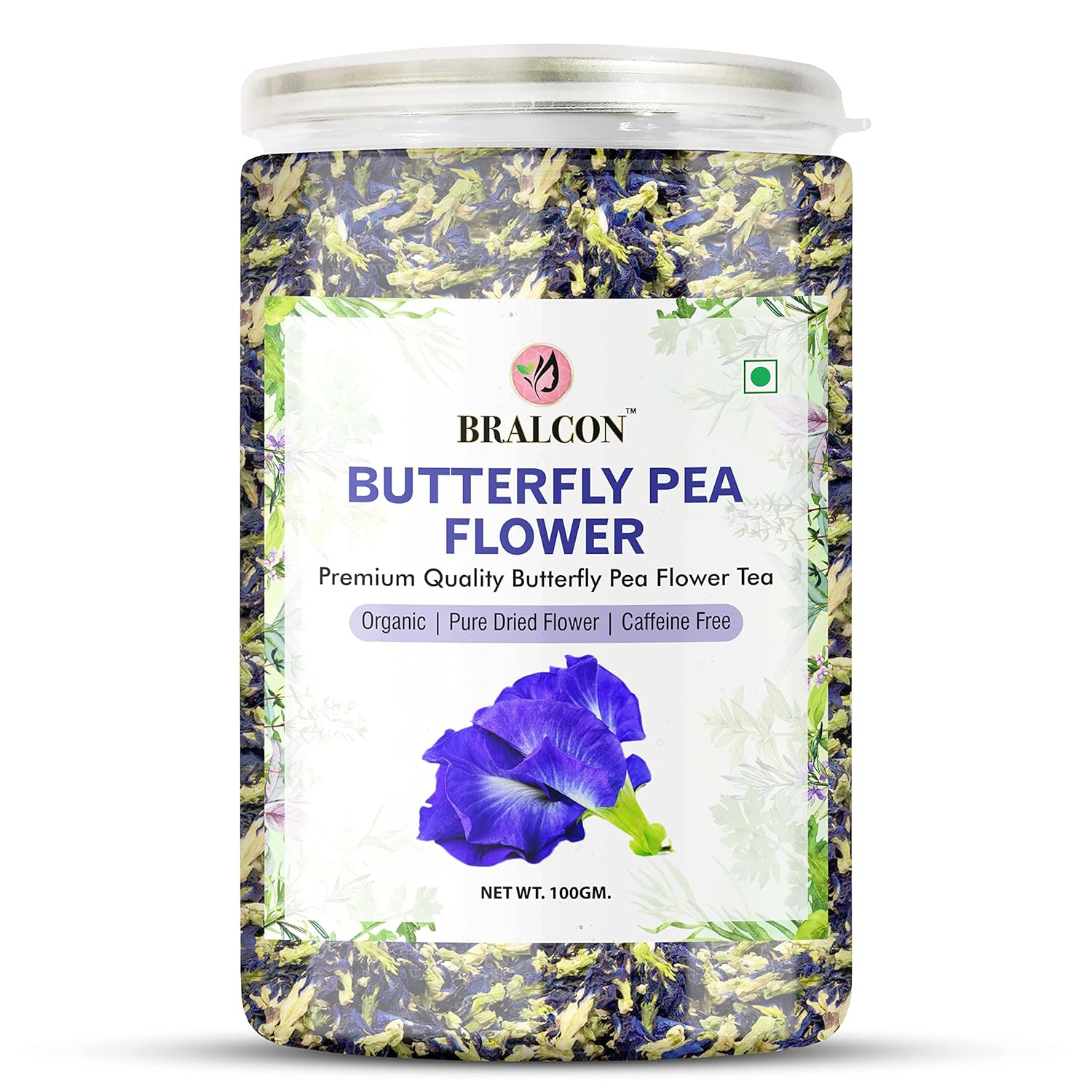
Aparajita – Shankhpushpi based, Whole Leaf.
Blue-Tea Is Officially FDA Approved
This is the news that should make everyone sit up and take notice. In 2025, the U.S. Food and Drug Administration (FDA) issued a final rule approving the expanded use of butterfly pea flower extract as a color additive in human food .
Approved Uses: Ready-to-eat cereals, crackers, snack mixes, hard pretzels, plain potato chips (restructured or baked), plain corn chips, tortilla chips, and multigrain chips.
- Condition: Use levels consistent with Good Manufacturing Practice (GMP).
Why This Matters:
The FDA does not just hand out approvals. To get this ruling, Sensient Colors, LLC (a major global color manufacturer) had to submit extensive safety data proving that butterfly pea flower extract is safe for human consumption.
As one compliance expert noted, these approvals are “part of the process to remove synthetic dyes from the U.S. food supply” .
The Takeaway: If the FDA says it is safe enough to put in Froot Loops and Doritos, you can feel very confident drinking it as a tea.
🛑 STOP SCROLLING. Claim your Organic Blue Tea with Lavender – Limited time only.
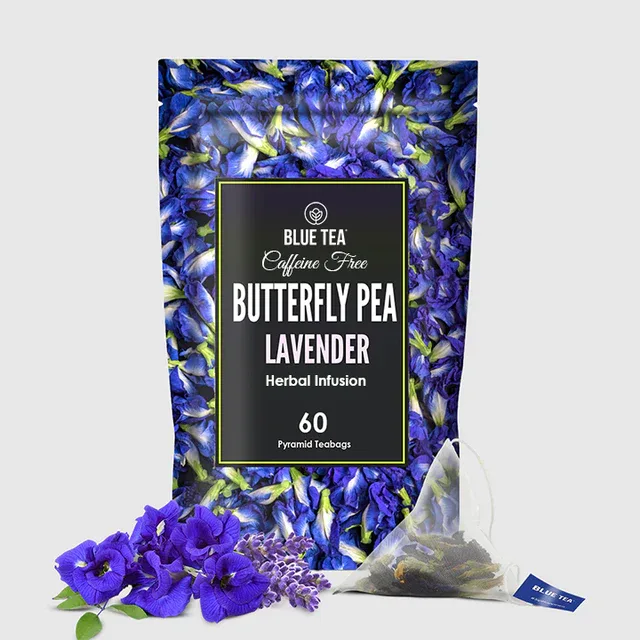
Detox Yourself with a mix of Butterfly Pea Flower & Lavender’s Herbal Tea
Blue-Tea Is the Most Antioxidant-Rich Beverage You Have Never Heard Of
We have saved the most obvious benefit for last: antioxidants. The deep blue color of butterfly pea flower comes from a class of compounds called anthocyanins—specifically a unique subgroup known as ternatins.
Discover the 5 best probiotic supplements for overall health here.
What the Research Shows:
- Free Radical Scavenging: The 2025 DNA repair study directly measured Reactive Oxygen Species (ROS) and found that Clitoria ternatea treatment significantly reduced oxidative stress in brain cells .
- Skin Health: By reducing oxidative stress, these antioxidants help protect collagen from degradation. This translates to fewer wrinkles, better skin elasticity, and protection against UV damage.
- Heart Health: Anthocyanins are universally recognized for their cardiovascular benefits, including reducing blood pressure and improving cholesterol profiles.
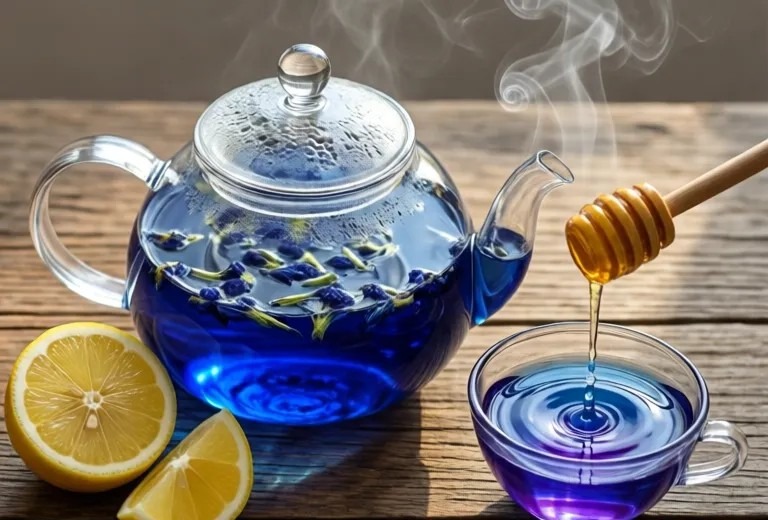
The Color-Changing Magic: Here is a fun party trick. Blue-tea contains pH-sensitive anthocyanins. When you add lemon juice (acid), the tea changes from deep blue to vibrant violet or pink. This is not just pretty; it is proof that the active compounds are present and bioavailable.
The Ancient Connection: Rasayana herbs were prized for their ability to prevent “premature aging.” Modern science calls this “antioxidant activity.”
💎 Upgrade to the “Skincare” Blue Tea Bundle.
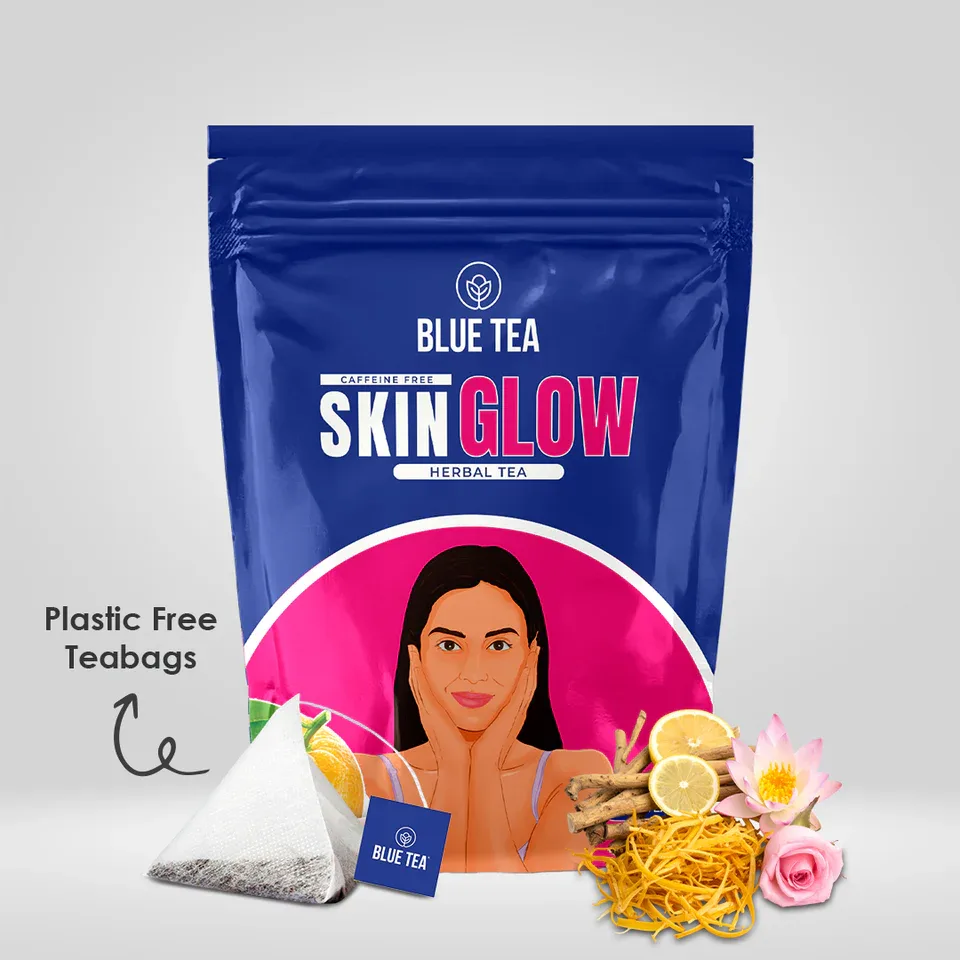
With Lotus, Rose, & Jasmine, Lemon & Orange Peel, Liquorice & Ashwagandha, Safflower & Ginger
How to Brew the Perfect Cup of Blue Tea
Brewing blue-tea is a ritual. Here is the step-by-step method to maximize both the health benefits and the visual appeal.
What You Will Need:
- Dried Butterfly Pea Flowers: Click here for the #1 organic brand (Ensure they are deep blue/purple, not brown or faded).
- Filtered Water: Chlorinated tap water can affect the pH and the color.
- Lemon or Lime: Fresh, not bottled.
- Honey or Monk Fruit: Optional sweetener.
The Method:
- Boil Water: Heat 8-10 oz of filtered water to 200°F (just below boiling).
- Steep: Place 6-8 dried flowers in a cup or teapot. Pour the hot water over them.
- Wait: Allow to steep for 5-7 minutes. You will see the water turn a deep, inky blue.
- Strain: Remove the flowers or pour through a strainer.
- The Magic: Squeeze half a lemon into the cup. Watch the tea transform from blue → violet → pink.
- Sweeten (Optional): Add honey to taste. Avoid dairy milk, as it can cause curdling due to the acidity.
Pro Tip: For maximum health benefits, drink the tea 30 minutes before a high-carb meal to block alpha-glucosidase enzymes and reduce blood sugar spikes .
📦 Click Here to Buy the “Perfect Brew” Starter Detox Pack With Ashwagandha (30 Cups)
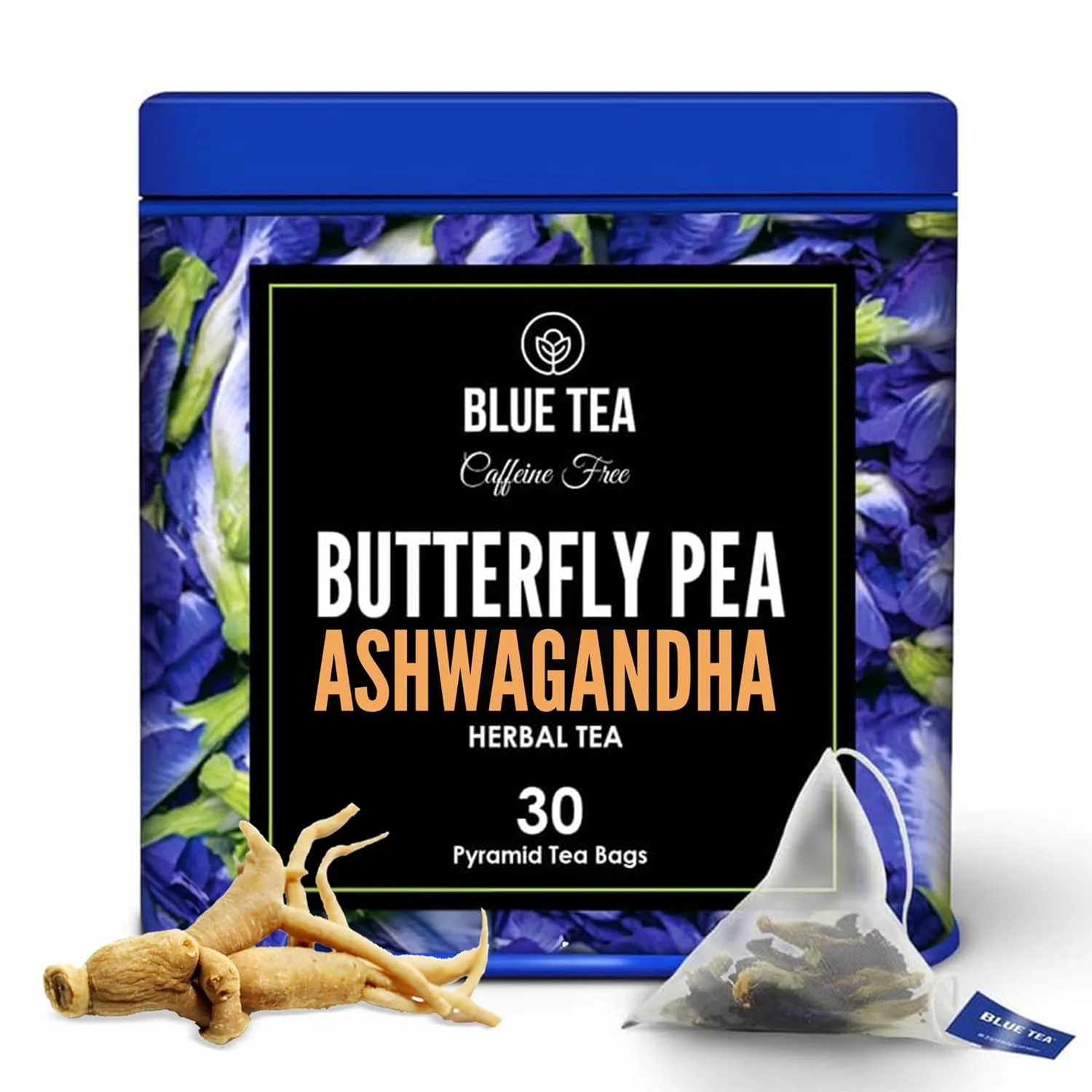
Detox Tea – Flower Based – Herbal Tea
Safety, Side Effects, and Who Should Avoid Blue-Tea
Blue-tea is exceptionally safe; safer than green tea (which contains caffeine) and certainly safer than synthetic drugs. However, nothing is completely risk-free. Here is what the research and regulatory documents say:
Generally Recognized as Safe (GRAS)
The FDA’s 2025 ruling confirms that butterfly pea flower extract is safe for consumption at levels consistent with GMP . No major safety concerns were raised during the public comment period.
Potential Mild Side Effects (Excessive Consumption)
- Digestive Upset: Drinking more than 3-4 cups per day may cause mild nausea, loose stools, or bloating in sensitive individuals.
- Blood Pressure: Because it can lower blood pressure (via antioxidant and ACE-inhibiting effects), those on antihypertensive medication should monitor their levels.
Who Should Avoid It?
- Pregnant or Breastfeeding Women: Due to its traditional use as an emmenagogue (to stimulate menstruation), pregnant women should avoid medicinal doses unless cleared by a doctor.
- Surgery: Stop taking blue tea at least 2 weeks before scheduled surgery, as it may interfere with blood pressure control during anesthesia.
Frequently Asked Questions (FAQ)
Q1: Does blue-tea contain caffeine?
No. Unlike black or green tea, blue tea is made from Clitoria ternatea flowers, which contain zero caffeine. It is safe to drink before bed.
Q2: What does blue-tea taste like?
It has a mild, earthy, woody flavor, often compared to a very light green tea or chamomile. It is not sweet on its own. Most people add honey or lemon.
Q3: How many cups of blue-tea should I drink per day?
For general wellness, 1-2 cups per day is sufficient. For blood sugar management, drink 1 cup 30 minutes before your largest carb-heavy meal.
Q4: Can I drink blue-tea cold?
Absolutely. Brew it hot, then pour over ice. Add lemon and mint for a refreshing iced tea.
Q5: Is blue tea expensive?
Not at all. Its cheaper than coffee.
Spiritual T-Shirts for Women
Conclusion: Ancient Wisdom, Modern Validation, One Simple Cup
We have traveled a long way in this article – from the sacred Rasayana texts of ancient India to the sterile laboratories of modern pharmacology, and finally to the regulatory offices of the FDA in Washington, D.C.
The conclusion is inescapable: Blue tea (Butterfly pea flower / Clitoria ternatea) is one of the most underrated health beverages on the planet.
It repairs DNA. It blocks sugar absorption. It inhibits the enzymes that cause Alzheimer’s. It calms the mind without sedation. It is packed with antioxidants. And the government just confirmed it is safe enough to put in your breakfast cereal.
But here is the catch: Because of the TikTok explosion and the FDA approval, counterfeit, stale, and low-quality products are flooding the market. Many sellers are offering old, bleached, or adulterated flowers that have zero active compounds.